
Early education plays a vital role in shaping a child’s overall development and future success. The first few years of life are a period of rapid brain development, during which children learn faster than at any other stage of life. Providing quality early education during this time helps build a strong foundation for lifelong learning, positive behavior, and emotional well-being.
Early education introduces children to basic concepts such as letters, numbers, colors, and shapes through play-based and engaging activities. These early learning experiences spark curiosity and encourage a natural love for learning, making the transition to formal schooling smoother and more confident. Children who receive early education often develop stronger language, reading, and problem-solving skills as they grow.
Social and emotional development is another key benefit of early education. In a structured learning environment, children learn how to interact with others, share, take turns, and express their emotions in healthy ways. These early interactions help children build empathy, self-confidence, and independence, which are essential for forming relationships and adapting to new environments.
The early years are especially important for communication and language development. Through storytelling, songs, conversations, and group activities, children expand their vocabulary and improve their listening and speaking skills. Strong communication abilities developed early support better academic performance and help children express their thoughts and feelings clearly.
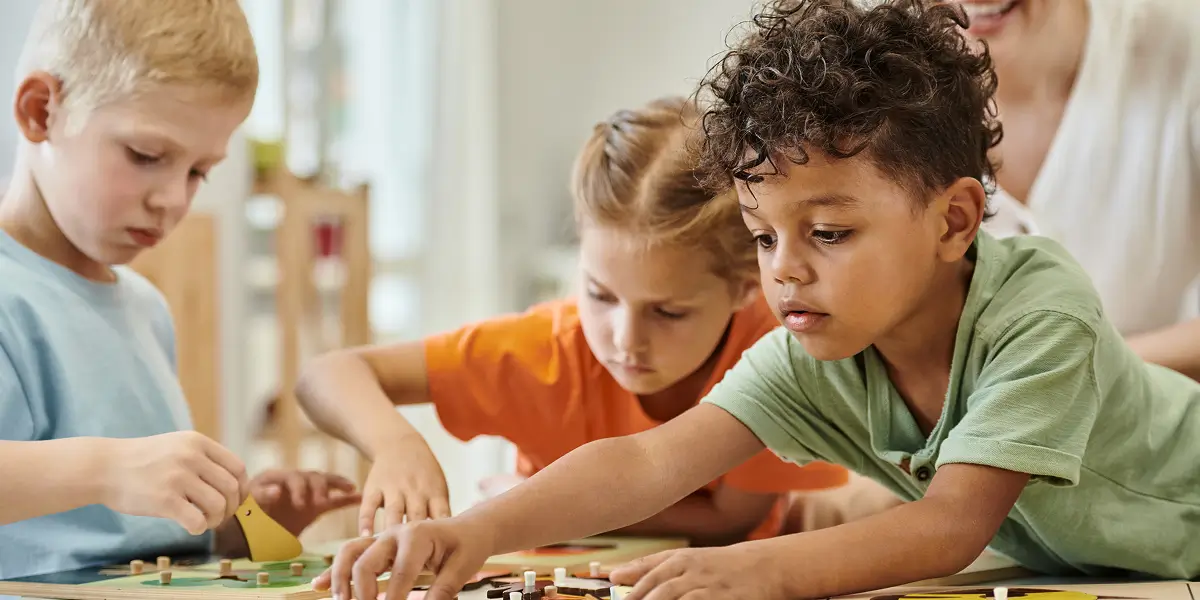
Early education also encourages cognitive development and critical thinking. Activities such as puzzles, creative play, art, and hands-on learning stimulate brain growth and help children understand the world around them. These experiences nurture creativity, reasoning, and problem-solving skills that remain valuable throughout life.
Structured early education helps children develop positive habits and discipline. Simple routines teach time management, responsibility, and respect for rules in a gentle and supportive way. These habits prepare children for school life and help them adjust better to structured environments in the future.
Physical development is equally supported through early education. Activities such as outdoor play, movement exercises, dance, and games help improve motor skills, coordination, balance, and overall physical health. Healthy physical development contributes to better focus, emotional stability, and overall well-being.
Early education also boosts confidence and independence. When children are encouraged to explore, make choices, and try new activities, they develop a sense of self-belief. A nurturing learning environment allows children to grow independently while feeling safe and supported.
Studies consistently show that children who receive quality early education are more likely to succeed academically and develop positive attitudes toward learning. Early education reduces learning gaps and sets children on a path toward long-term educational and personal success.
In conclusion, early education is not just about learning academics at a young age; it is about nurturing the whole child. It supports intellectual, social, emotional, and physical growth during the most crucial years of development. Investing in early education gives children the tools they need to grow into confident, capable, and well-rounded individuals, creating a strong foundation for a brighter future.
